
How Many Security Cameras Does My House Need?
This is the question we hear more than any other, and the honest answer is not a number off a box. Two homes with the same square footage can need very different systems — one might be well covered with four cameras, while the other, with more entries and outbuildings, really needs eight. Camera count follows your property's layout, not its size.
Here is the practical way we figure it out with homeowners around Radford, Christiansburg, Blacksburg, and Pulaski — so you buy the coverage you actually need and skip the cameras you do not.
Start With Coverage, Not a Number
Before counting cameras, we walk the property and list what actually needs watching. Almost every home has the same priority spots, roughly in this order:
- Front door — the single most important camera on any home; a doorbell or eave camera covering the main entry
- Driveway and approach — see vehicles and visitors before they reach the house
- Garage — attached or detached, plus the man-door most people forget
- Rear and side entrances — the doors intruders actually prefer because they are out of sight
- Backyard — patios, decks, and anything of value stored outside
- Detached buildings — sheds, shops, barns, and their approaches
- High-value areas — a boat, trailer, equipment, or an outdoor work area
Work down that list for your specific home and the number almost sets itself.
Typical Camera Counts
As a rough starting point, not a rule:
- Small home or townhouse: 3–4 cameras (front, back, driveway, one side)
- Average single-family home: 4–6 cameras
- Larger home or property with outbuildings: 6–8+ cameras
The layout is what moves the number. A compact home on a corner lot with three exposed sides may need more than a larger home tucked on a straightforward lot.
Camera Viewing Angles and Blind Spots
A camera only protects what it can see. The mistakes we most often fix:
- Aiming one camera to "cover everything" and getting a useless wide blur
- Leaving a blind spot right at a door or the corner of the house
- Mounting so a porch post, gutter, or tree blocks half the frame
The fix is choosing the right lens for each spot and slightly overlapping coverage so cameras cover each other's edges — no gaps for someone to slip through.
180-Degree and Doorbell Cameras
Two tools that reduce the count you need:
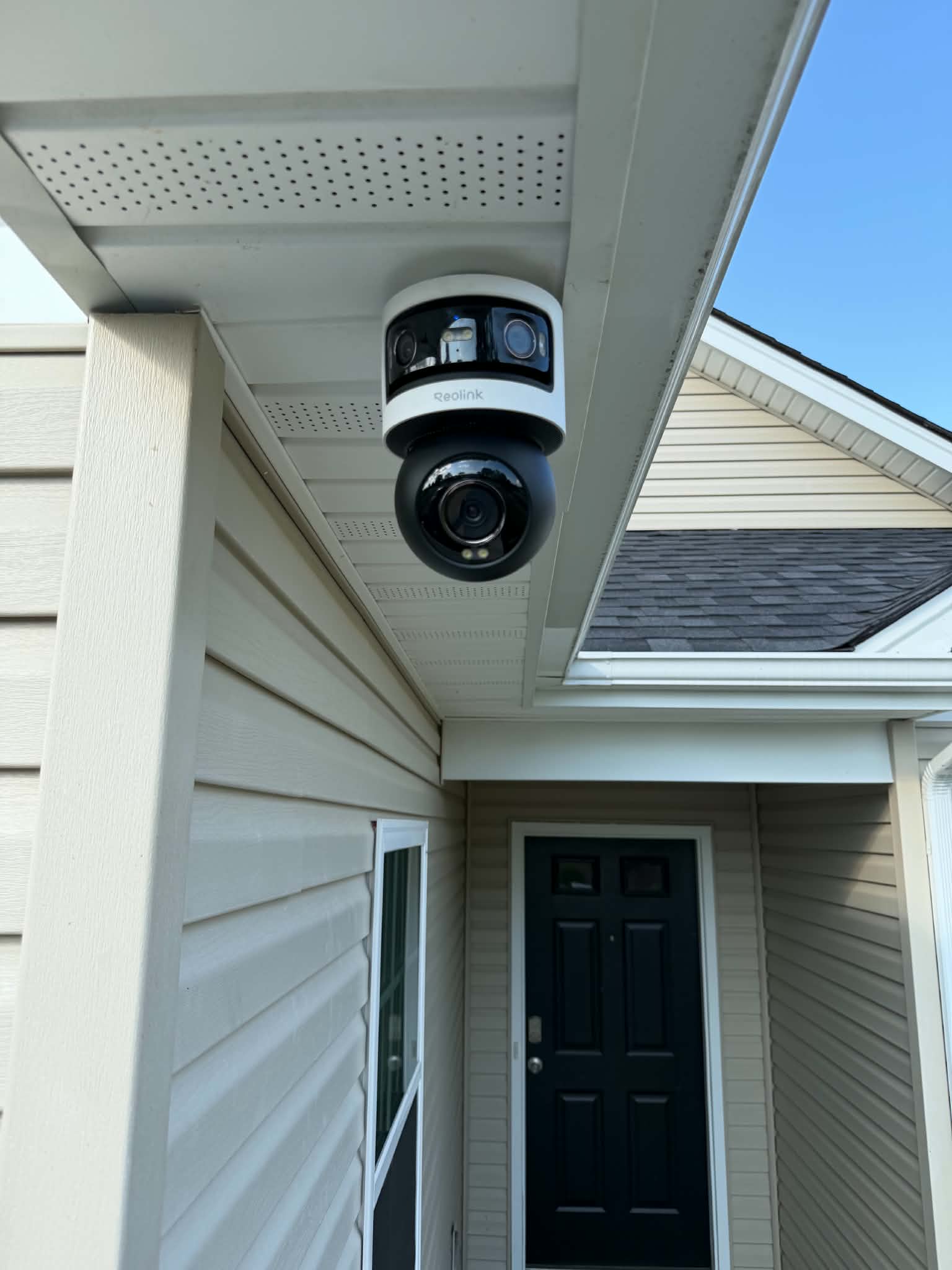
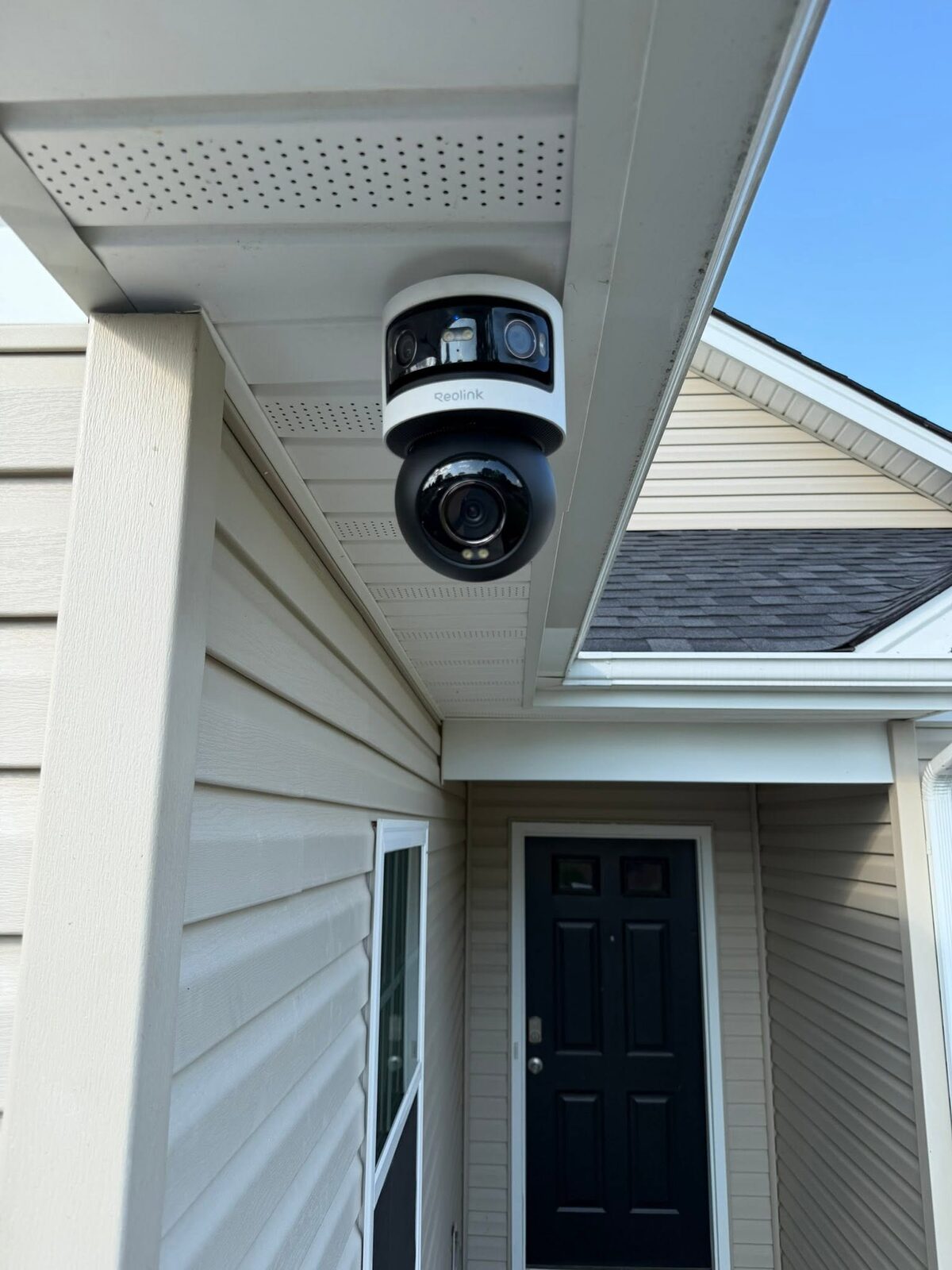
- 180-degree (dual-lens or panoramic) cameras cover a wide area — like a full backyard or a long porch — from one spot, replacing two narrow cameras.
- Doorbell cameras handle the front entry with a head-to-toe view of anyone at the door and two-way talk.
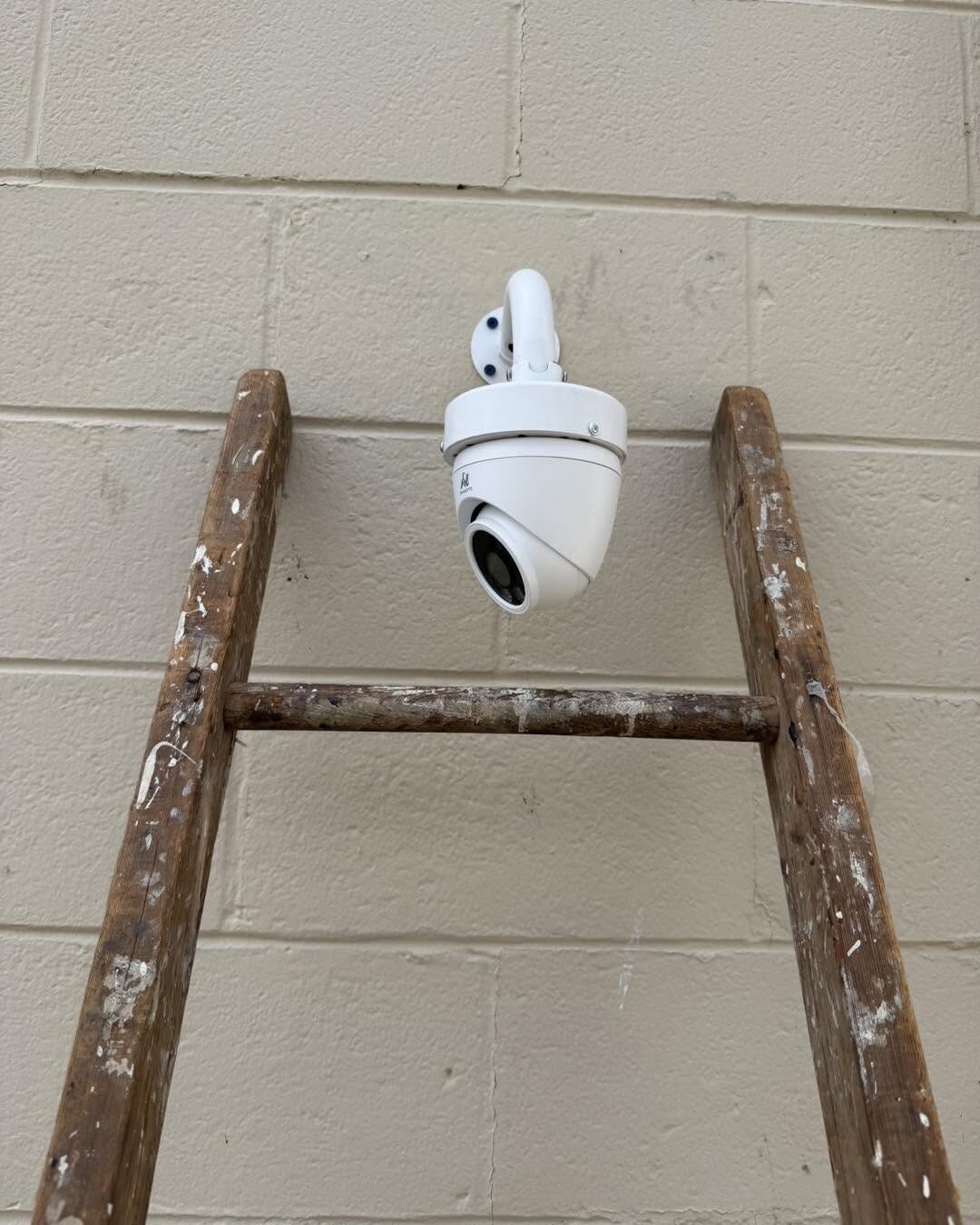
Used well, these let you cover more with fewer cameras — which is exactly the kind of honest recommendation we would rather make.
Night Visibility and Camera Height
Most incidents happen after dark, so night performance matters as much as count. Two placement details make or break it:
- Camera height: mount high enough to be out of easy reach, but not so high that faces become tiny. Around 8–10 feet is a good balance for identifying people, not just watching the tops of heads.
- Night vision and lighting: the cameras we install offer strong infrared or color night vision, but we also avoid aiming a camera straight at a bright light or into headlights, which washes out the image.
A Note on Privacy
Good placement respects boundaries. We aim cameras at your property — your entries, your driveway, your yard — and avoid pointing them into a neighbor's windows or living space. It keeps your system focused on what protects you and keeps things neighborly.
The Cabling Underneath It All
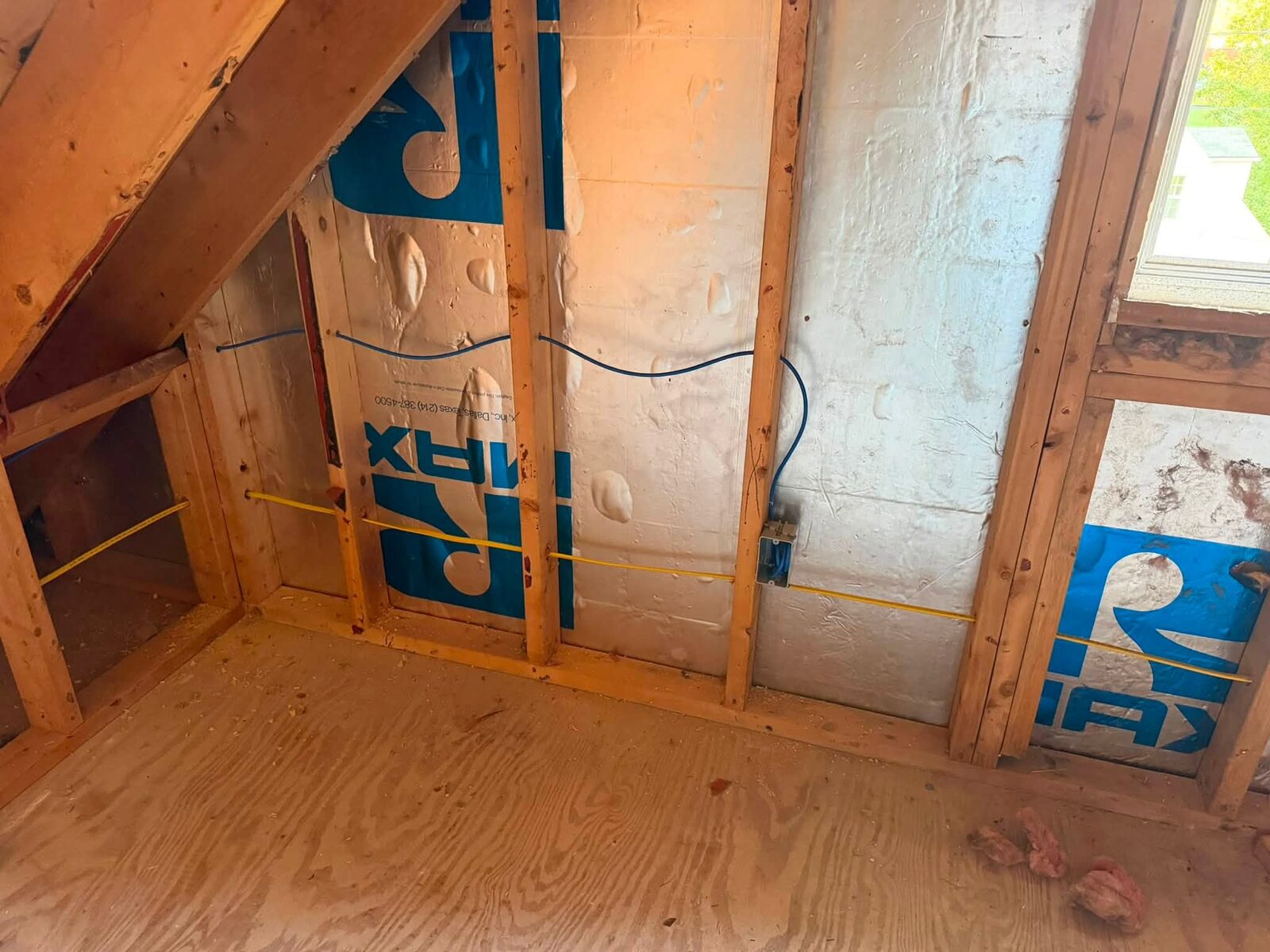
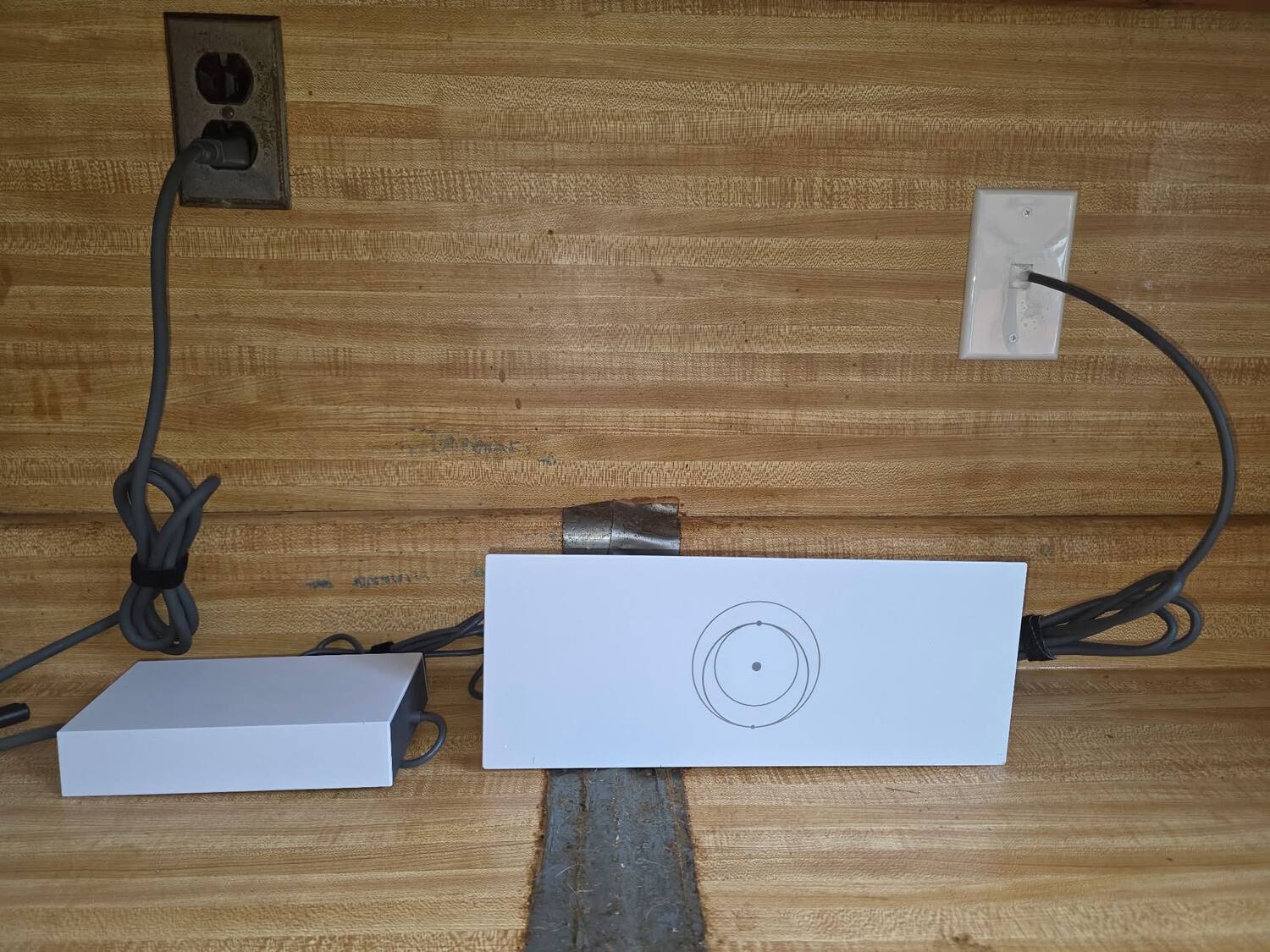
However many cameras you land on, a permanent system should be wired PoE with clean Cat6 runs back to a recorder — that is what keeps it reliable for years. We cover why in PoE vs Wi-Fi security cameras and why professional camera cabling matters.
Frequently Asked Questions
How many cameras does the average house need? Most single-family homes land in the 4–6 camera range, but layout — number of entries, driveways, and outbuildings — matters more than square footage.
Does a bigger house always need more cameras? Not necessarily. A well-laid-out large home can need fewer cameras than a smaller home with many exposed sides and separate buildings.
Can one camera cover my whole yard? A 180-degree or panoramic camera can cover a wide area from one spot, but expecting a single standard camera to watch everything usually leaves blind spots.
Where should I put my first camera? The front entry and driveway. That single view answers "who is here?" and covers the approach most activity comes from.
Get a Camera-System Consultation
The best way to get the number right is to have someone walk the property with you. We will map coverage, point out blind spots, and put together an honest quote — no upselling cameras you do not need. Serving Pulaski, Radford, Dublin, Fairlawn, Christiansburg, Blacksburg, Montgomery County, Pulaski County, and the New River Valley.
- 📞 Call or text: 540-440-1157
- 📷 Learn more: Security Camera Installation | Smart Home Security
Get a free camera consultation →
Zaxx Tech Solutions — Virginia DCJS #11-30241, licensed and insured. Security cameras for the New River Valley and Southwest Virginia.
Need help with your tech in Virginia?
Zaxx Tech Solutions handles security systems, custom PCs, websites, Starlink, and IT support — all locally, all licensed (DCJS #11-30241). Get a no-pressure quote today.