
Why Professional Security Camera Cabling Matters
When people shop for cameras, they focus on megapixels and night vision. Fair enough — but here is a truth from the field: the cabling behind the cameras decides whether the system is reliable. We have been called out to plenty of "bad camera" problems that turned out to be bad cabling — a poorly terminated cable, a run baking in the sun, or a cheap connector corroding in an attic.
Good cameras on bad wire is money wasted. Here is what professional camera cabling actually involves, and why it is the part worth doing right — from a company that is both a security-camera installer and a low-voltage cabling contractor.
Cat6 and PoE: The Backbone
Modern PoE cameras run on a single Cat6 Ethernet cable that carries both power and video. That makes the quality of that one cable — and how it is installed — critical. Quality Cat6, properly rated for the run and the environment, is what delivers full-resolution video and stable power to each camera. Cut corners on the cable and you cap the whole system's reliability no matter how good the cameras are.
Cable Routing Done Right
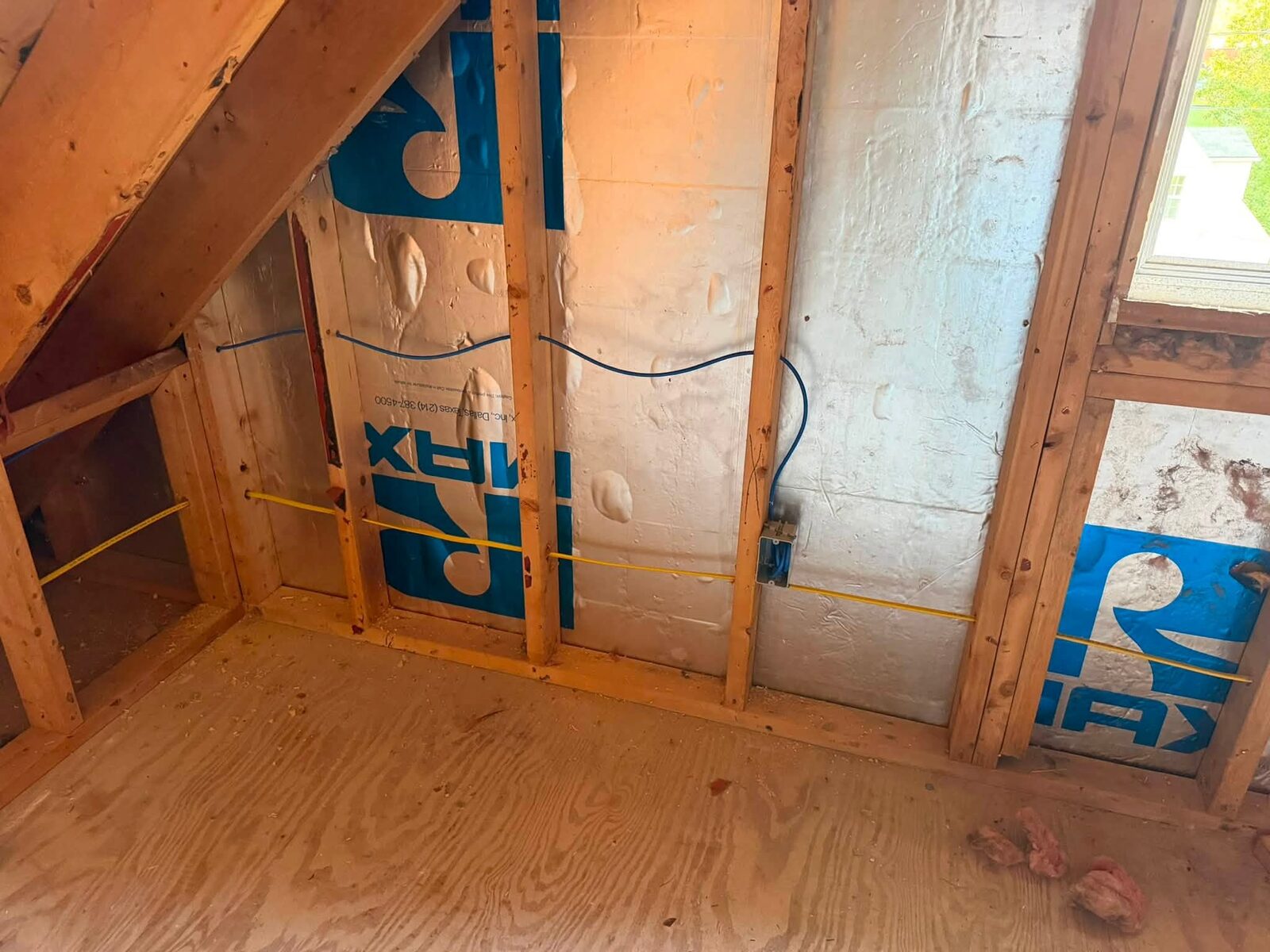
Professional routing means running cable along structural paths — through attics, basements, and interior walls — so it is protected and out of sight. That is harder than draping a wire along a baseboard, but it is what keeps the cable safe from damage, weather, and time. Clean routing also makes the system serviceable later: when a cable is run logically and labeled, a future change is a quick job instead of a treasure hunt.
Exterior Penetrations and Weatherproofing
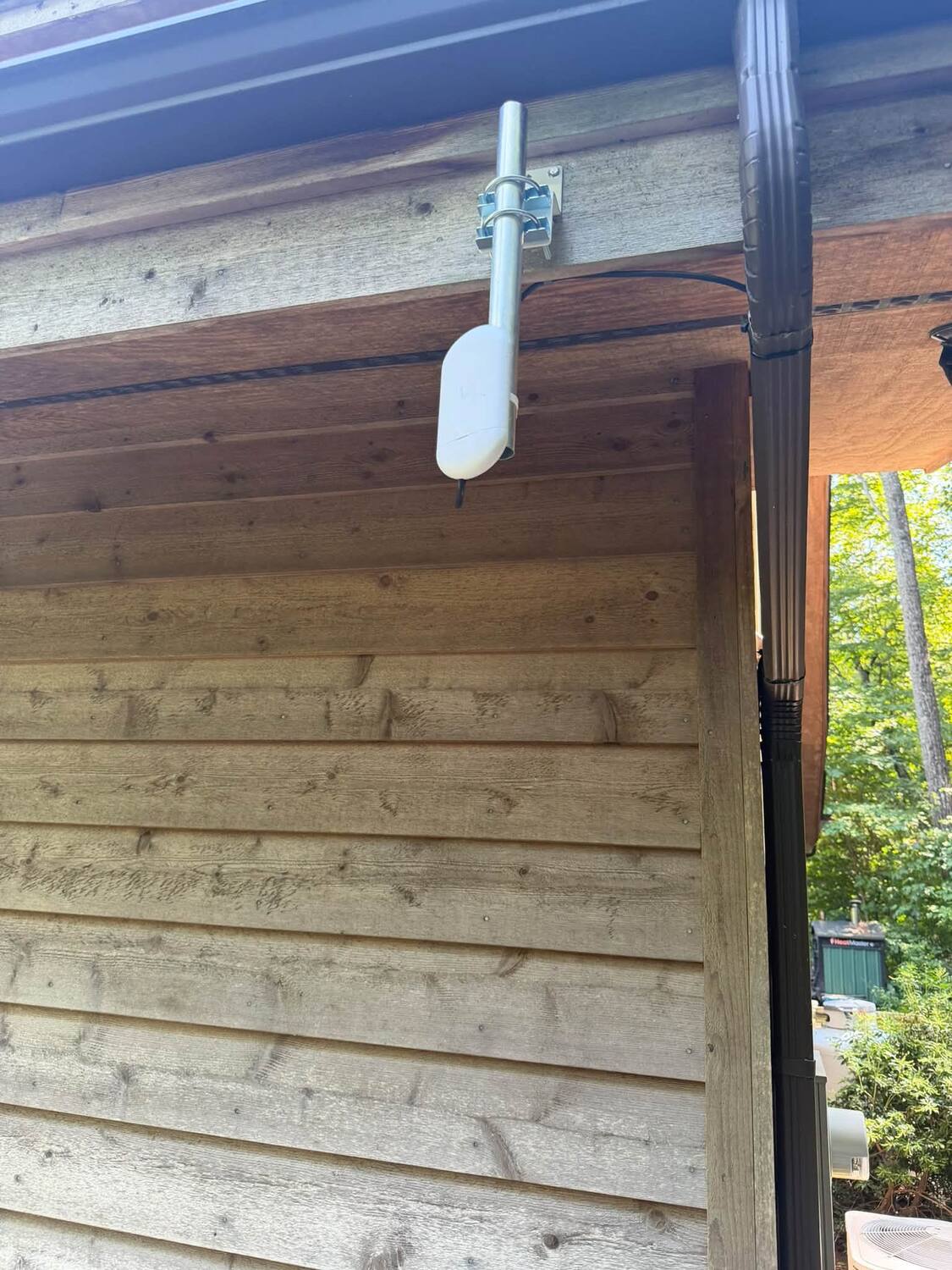
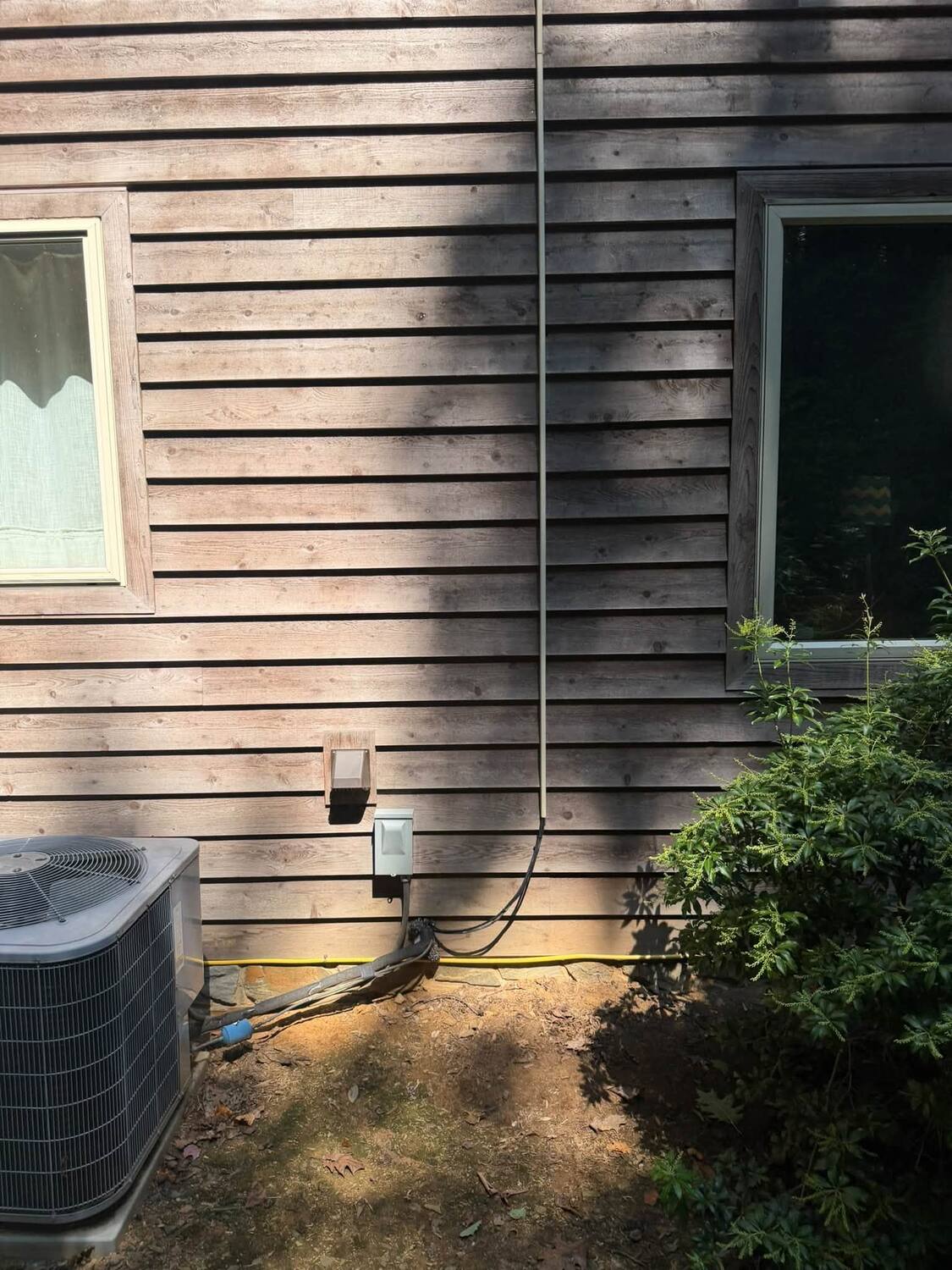
Camera cable has to get from inside to outside, and every one of those holes is a potential leak or pest entry if it is done carelessly. We drill deliberately, seal every exterior penetration with the right materials, and leave drip loops so water runs off the cable instead of tracking into the wall. On retrofits where cable has to run outside, we protect it in raceway so it is shielded from UV, weather, and physical damage — not left stapled and exposed.
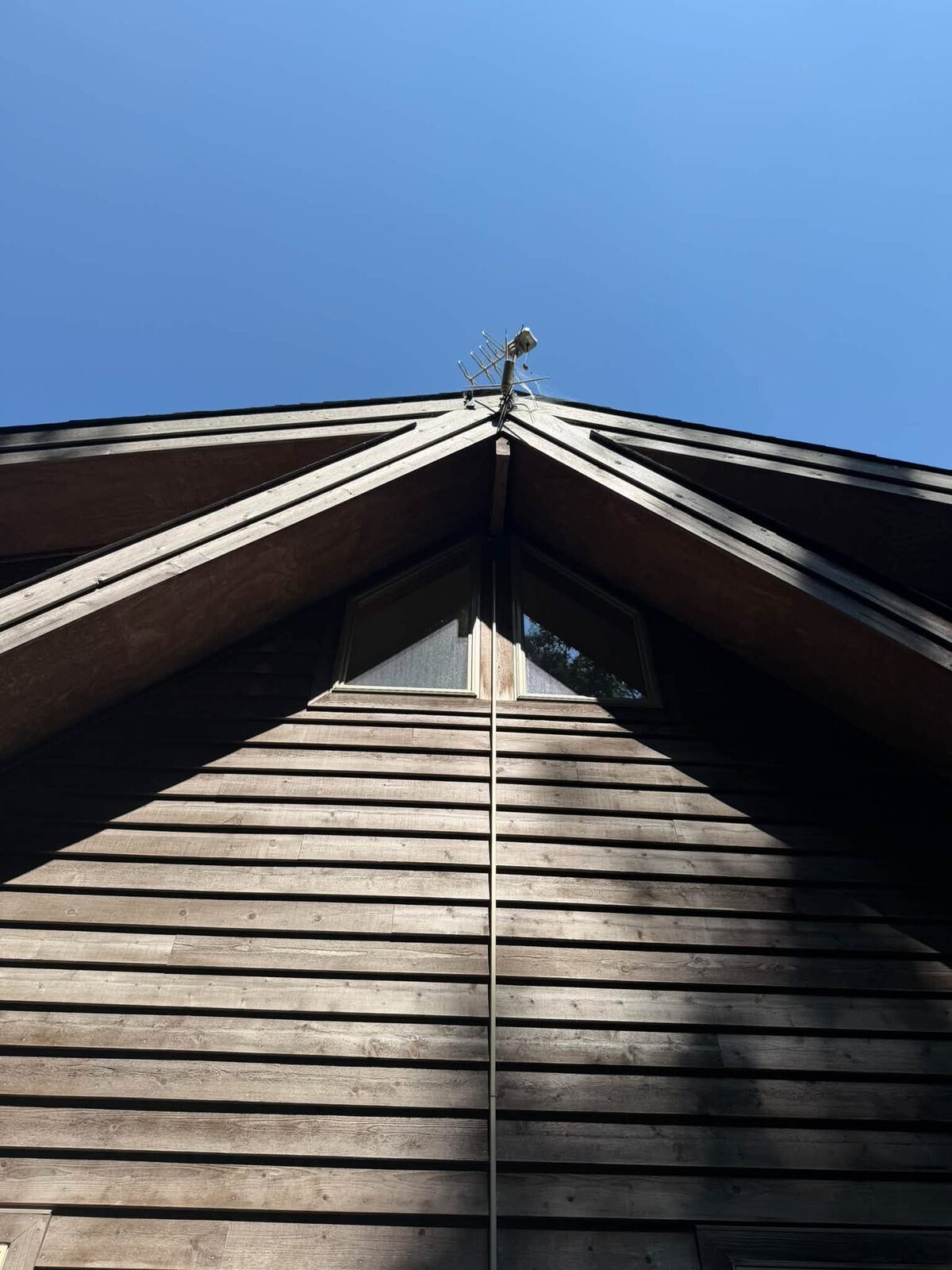
The difference shows up years later: a sealed, protected run still performs, while an exposed, hanging cable becomes brittle, gets snagged, and eventually fails.
Proper Termination
The connector on the end of the cable is where a lot of "random" camera problems are born. A poorly crimped or loose termination causes intermittent dropouts that are maddening to diagnose. Professional termination — done consistently, tested, and seated in quality keystones or connectors — is what makes a camera come online and stay online. This is exactly the discipline behind our structured cabling work.
Avoiding Exposed and Hanging Cable
Beyond looks, loose cable is a liability. It gets caught by ladders, wind, animals, and equipment; it flexes at the connector until it fails; and it invites tampering right at the camera. Secured, concealed, or raceway-protected cable is safer, cleaner, and dramatically more durable.
Network Switches and NVR Placement
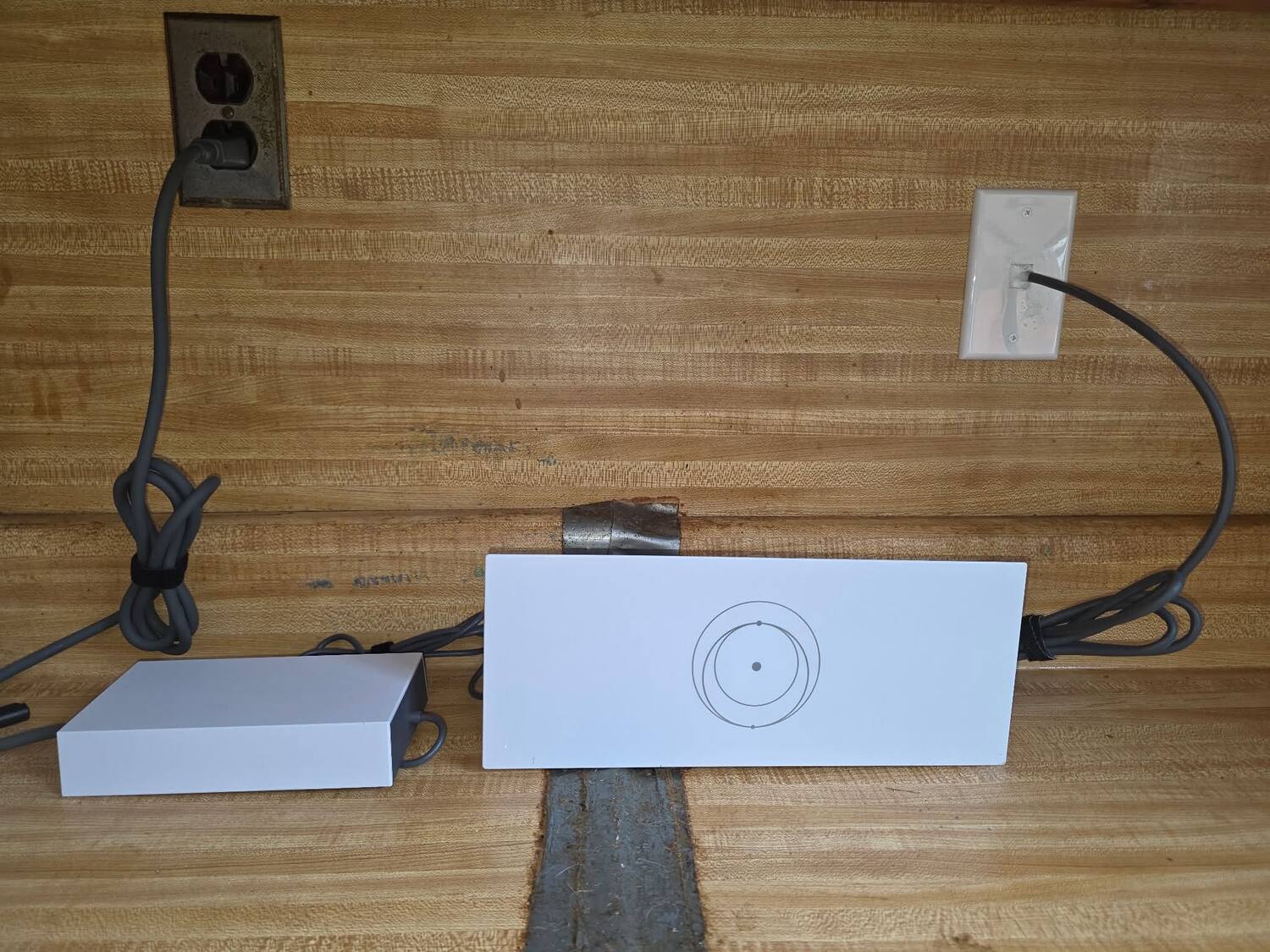
The cabling all comes home to two things: a PoE network switch that powers and connects the cameras, and an NVR (network video recorder) that stores the footage. Where these live matters. We place them somewhere ventilated, secure, and accessible — not buried in a hot, dusty corner — and we plan the rack or shelf so the system can be serviced and expanded without tearing anything apart. Good termination and labeling at the switch is what makes adding a camera next year a 20-minute job.
Future Serviceability
The best installs are built to be worked on again. Labeled cables, logical routing, a little slack left in the right places, and room to grow at the switch and NVR — these are the marks of a system a professional will thank themselves for later, and that you will appreciate the first time you want to add a camera or upgrade a recorder.
Why It Reinforces the Whole System
Here is the bottom line: cameras are only as good as what connects them. As both a security-camera installer and a low-voltage / Cat6 cabling company, we build the backbone and the cameras together — so the reliability is designed in, not bolted on. If you already have cameras that keep dropping, there is a real chance the cabling is the culprit, and it is fixable.
Frequently Asked Questions
Can bad cabling really cause camera problems? Absolutely. Loose terminations, low-quality cable, and sun-exposed runs cause the exact dropouts and "offline" errors people blame on the cameras.
What cable do PoE cameras use? Cat6 Ethernet, which carries both power and video to each camera on a single run back to a PoE switch or NVR.
Should camera cable ever run exposed outside? Only when protected — inside proper raceway, sealed at penetrations, with drip loops. Bare, stapled cable outdoors is asking for failure.
Do you do both the cameras and the wiring? Yes. We are a security-camera installer and a low-voltage cabling contractor, so the cameras and the Cat6 backbone are installed together and done right.
Build It on a Backbone That Lasts
Whether it is a new camera system or fixing one that keeps dropping, the cabling is where reliability is won. Serving Pulaski, Radford, Dublin, Fairlawn, Christiansburg, Blacksburg, Montgomery County, and the New River Valley.
- 📞 Call or text: 540-440-1157
- 🔌 Learn more: Security Camera Installation | Low-Voltage & Cat6 Cabling
Get a free cabling & camera quote →
Zaxx Tech Solutions — Virginia DCJS #11-30241, licensed and insured. Security cameras and structured cabling for the New River Valley and Southwest Virginia.
Need help with your tech in Virginia?
Zaxx Tech Solutions handles security systems, custom PCs, websites, Starlink, and IT support — all locally, all licensed (DCJS #11-30241). Get a no-pressure quote today.