
The New-Construction Low-Voltage Prewire Checklist
The cheapest time to wire a home for technology is the few days when the walls are open. Miss that window and every network jack, camera and access point becomes a retrofit — fished through finished walls at several times the cost. This is a room-by-room checklist to make sure nothing gets missed during the rough-in.
Zaxx Tech Solutions handles low-voltage prewiring for new homes and remodels across Virginia. (For a New River Valley–specific walkthrough, see our new-construction prewiring guide; this checklist is the room-by-room companion.)
First: Pick the Panel Location
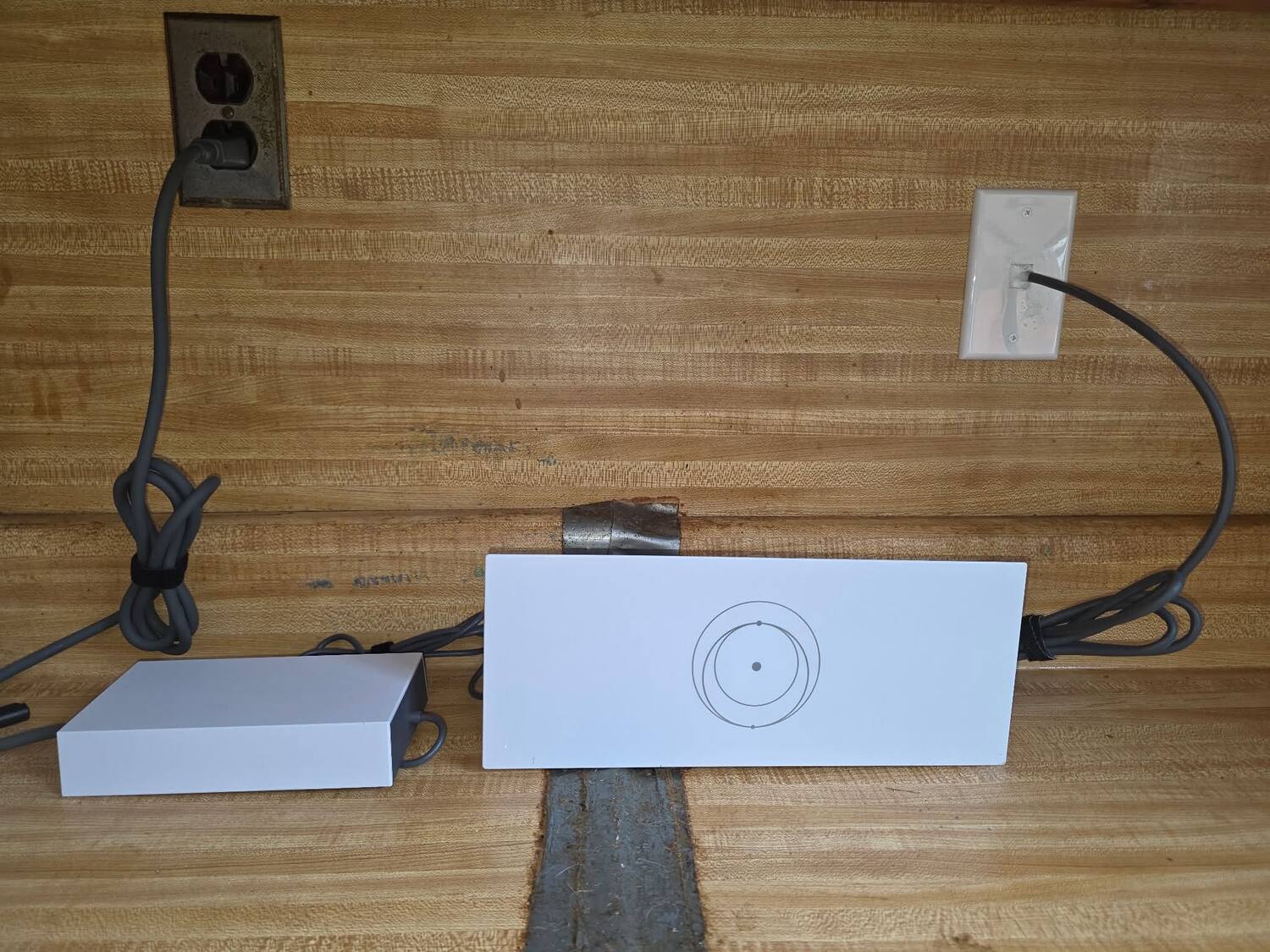
Everything terminates somewhere. Choose a central, accessible spot — a closet, mechanical room or basement corner — with power nearby and room for a network rack or structured-media panel. Every cable in this checklist runs home to this one location, labeled at both ends. Get this right and future changes are easy; get it wrong and you are working in a cramped corner for years.
Timing: Wire After Framing, Before Insulation
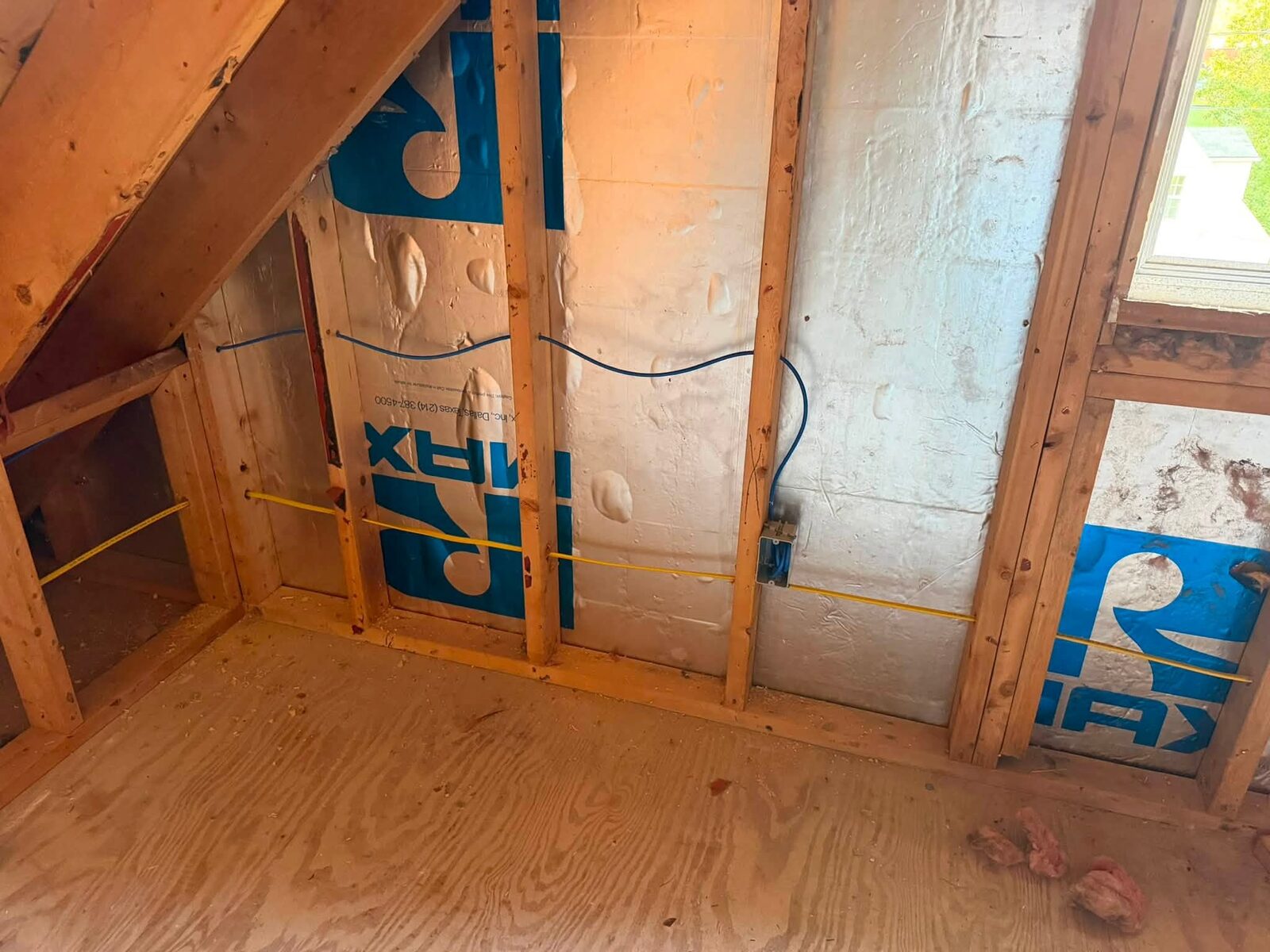
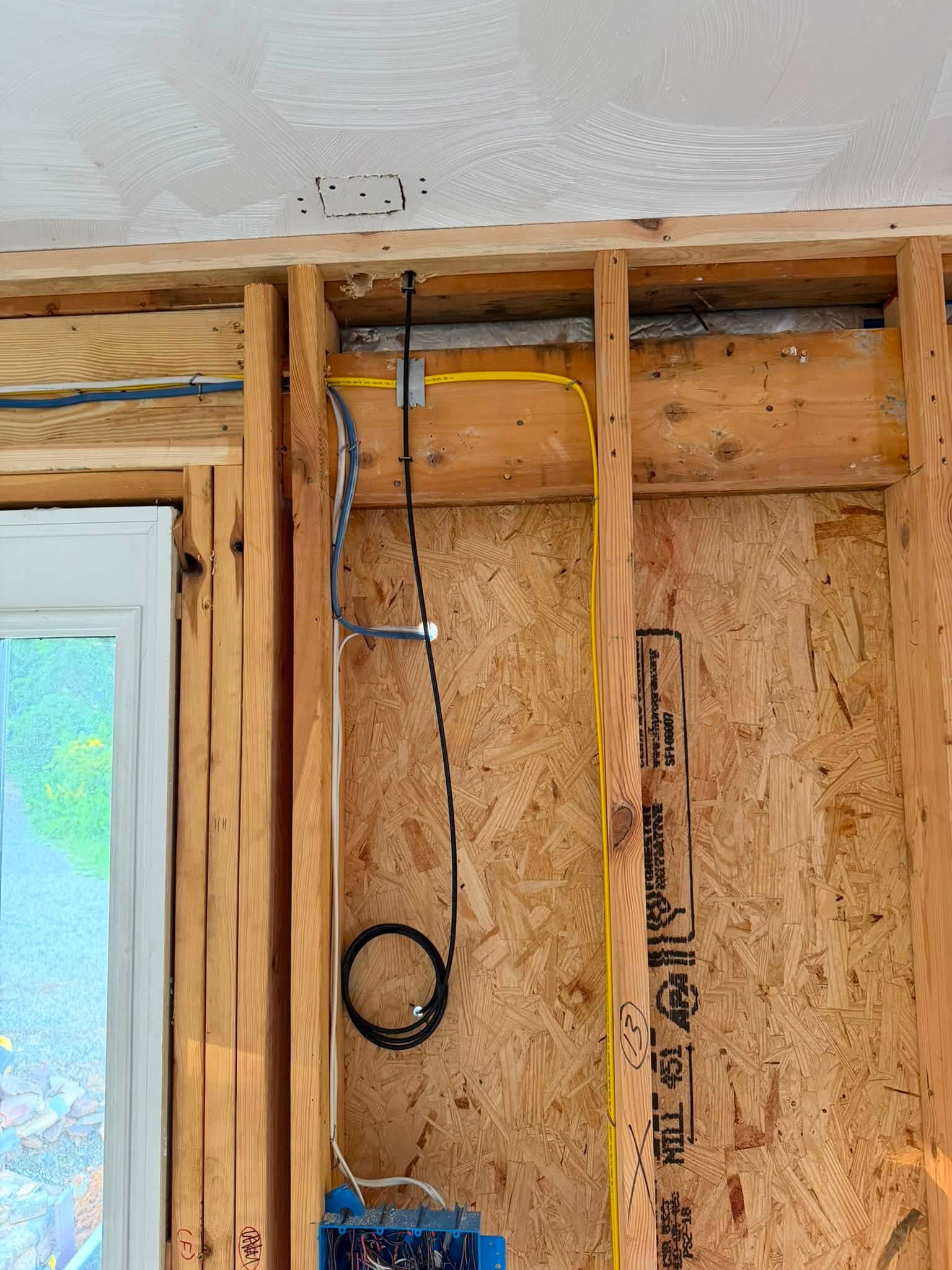
Low-voltage goes in during the rough-in stage — after framing and electrical, before insulation and drywall. We coordinate directly with your builder or electrician so our runs are in and inspected without holding up the schedule.
Room-by-Room Checklist
Living room / great room
- Two Cat6 drops behind the main TV wall (one for the TV, one spare)
- In-wall conduit or a smurf tube behind the TV for future HDMI/power
- Speaker wiring if you want in-ceiling or surround audio
Home office
- At least two Cat6 drops — wired connections never drop during a call
- A drop for a printer or second workstation
Every bedroom
- One Cat6 drop per room, minimum — wired beats WiFi for TVs, consoles and desks
Kitchen
- A Cat6 drop for a wall-mounted tablet or smart display
- A ceiling drop nearby if it doubles as a WiFi access-point location
Ceilings (WiFi access points)
- Cat6 to a central ceiling location on each floor for a hardwired access point — far better coverage than a shelf router
Exterior / entries (cameras)
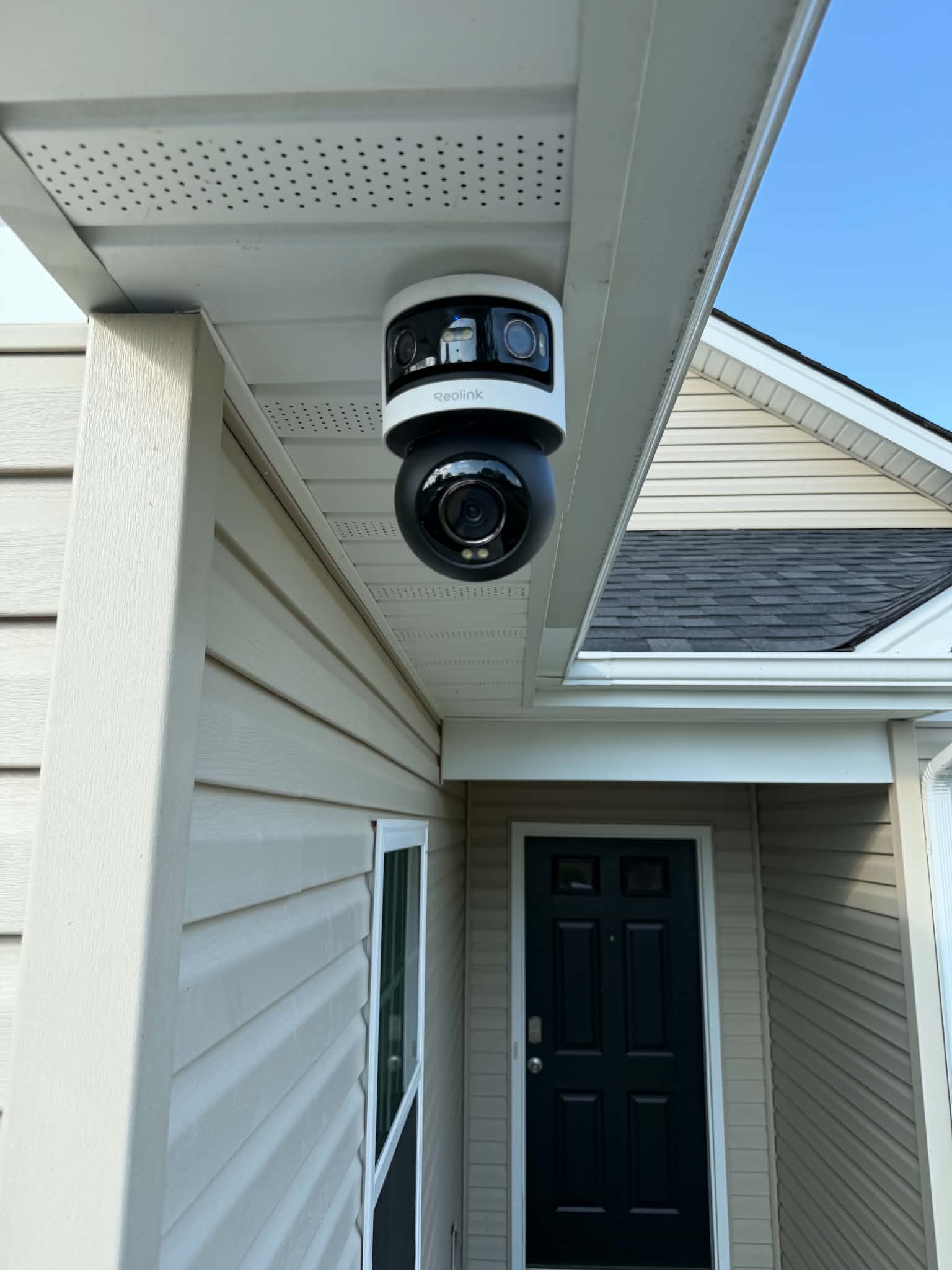
- Camera drops at each corner of the house, both front and back entries, the garage, and any driveway approach — run the cable now even if cameras come later
Front door / entries (smart home)
- Wiring for a video doorbell and any keypad or smart-lock locations
Garage / mechanical
- A Cat6 drop for smart garage controls, an EV charger network link, or shop equipment
Outbuildings (if applicable)
- Plan building-to-building runs to a detached garage, shop or barn while the trenches and walls are open
Do Not Forget the "Later" Stuff
The drops people regret skipping are almost always the ones for things they added later: a camera at the back corner, an access point in the basement, a hardwired connection for a smart panel. Running an extra cable during rough-in costs a few dollars; adding it after drywall costs hundreds. When in doubt, run the cable.
Label, Test, Document
Every cable we run is labeled at the panel and at the outlet, terminated to standard, and tested. You get a clean panel and a system that the next technician — or the next owner — can actually understand.
Coordinate It Early
The best prewire happens when we walk the plans with you before framing is closed. We serve the New River Valley, rural Southwest Virginia, and take on new-construction projects in Northern Virginia.
- Call or text: 540-440-1157
- Free estimates — request a quote
Need help with your tech in Virginia?
Zaxx Tech Solutions handles security systems, custom PCs, websites, Starlink, and IT support — all locally, all licensed (DCJS #11-30241). Get a no-pressure quote today.