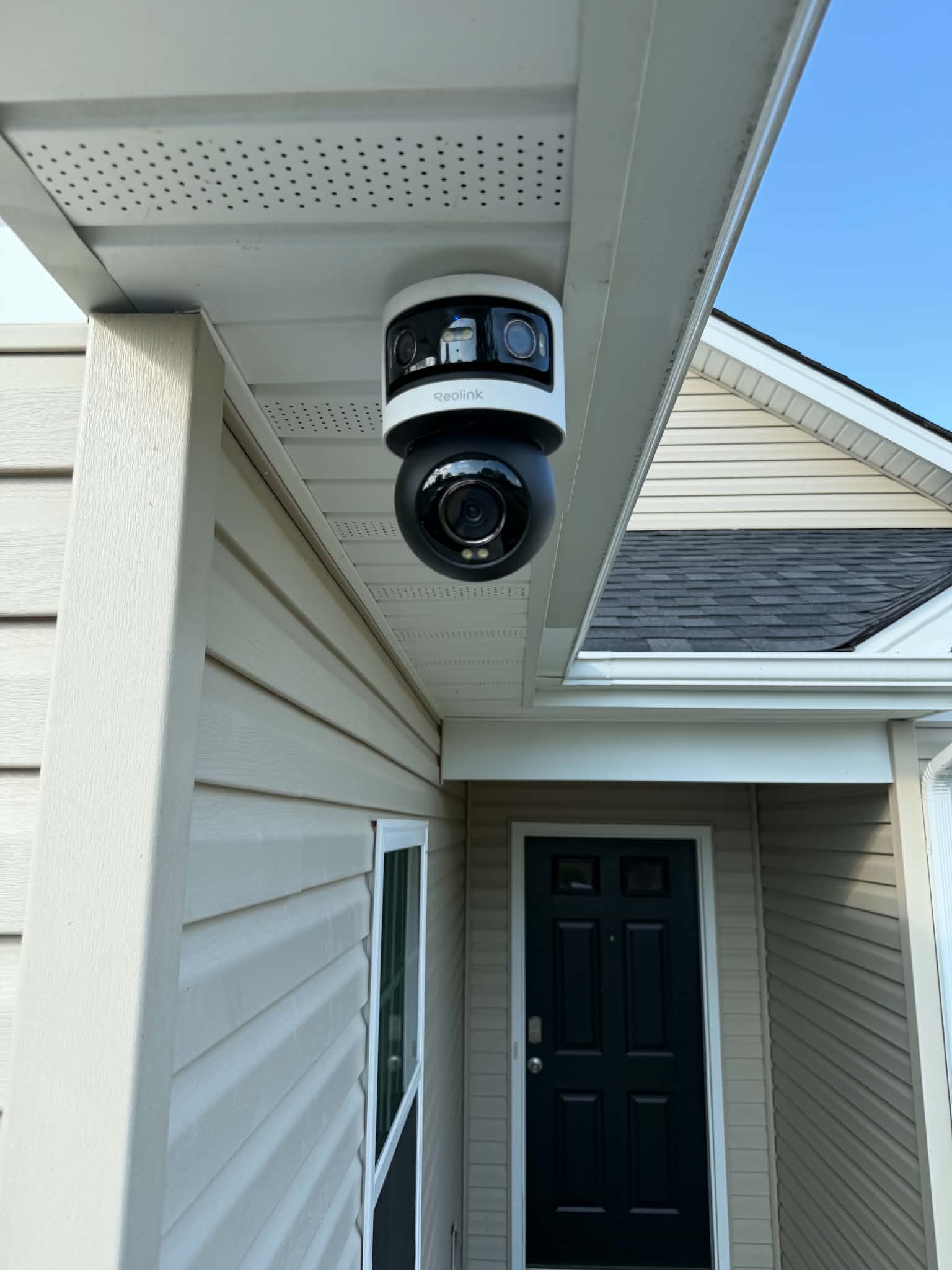

Planning a Wired PoE Security Camera System for a Virginia Home or Business
Most disappointing camera systems were not bad cameras — they were bad plans. People buy a kit, mount it wherever there is a stud, and then discover the blind spots, the storage limits, and the WiFi drops after the fact. A wired PoE system done right starts on paper. Here is how we plan one.
Zaxx Tech Solutions installs security cameras for homes and businesses across Virginia, and our electronic security work is performed under DCJS license #11-30241.
Why Wired PoE Instead of WiFi Cameras
PoE (Power over Ethernet) sends both power and data over one Ethernet cable to each camera. That means:
- No dead batteries, no dropped WiFi — a wired camera is always on and always recording.
- One cable per camera — simpler, cleaner, and more reliable than a power adapter plus a wireless signal.
- Better footage — wired cameras stream full-resolution video without the compression and lag that plague wireless.
Wireless cameras have their place, but for a system you will rely on, wired wins. We cover the trade-offs in depth, but the short version is: if you can run cable, run cable.
NVR vs Cloud: Where Does Footage Live?
The recorder is the heart of the system. Two main approaches:
- NVR (Network Video Recorder) — a local box with hard drives that records every camera around the clock. You own the footage, there is no monthly fee, and recording continues even if the internet goes down. This is what we recommend for most homes and businesses.
- Cloud — footage stored offsite for a monthly fee. Convenient, but ongoing cost and dependent on your upload bandwidth.
Many systems do both: local NVR for full-time recording, plus remote phone viewing so you can check in from anywhere.
Plan the Switch and the Cabling
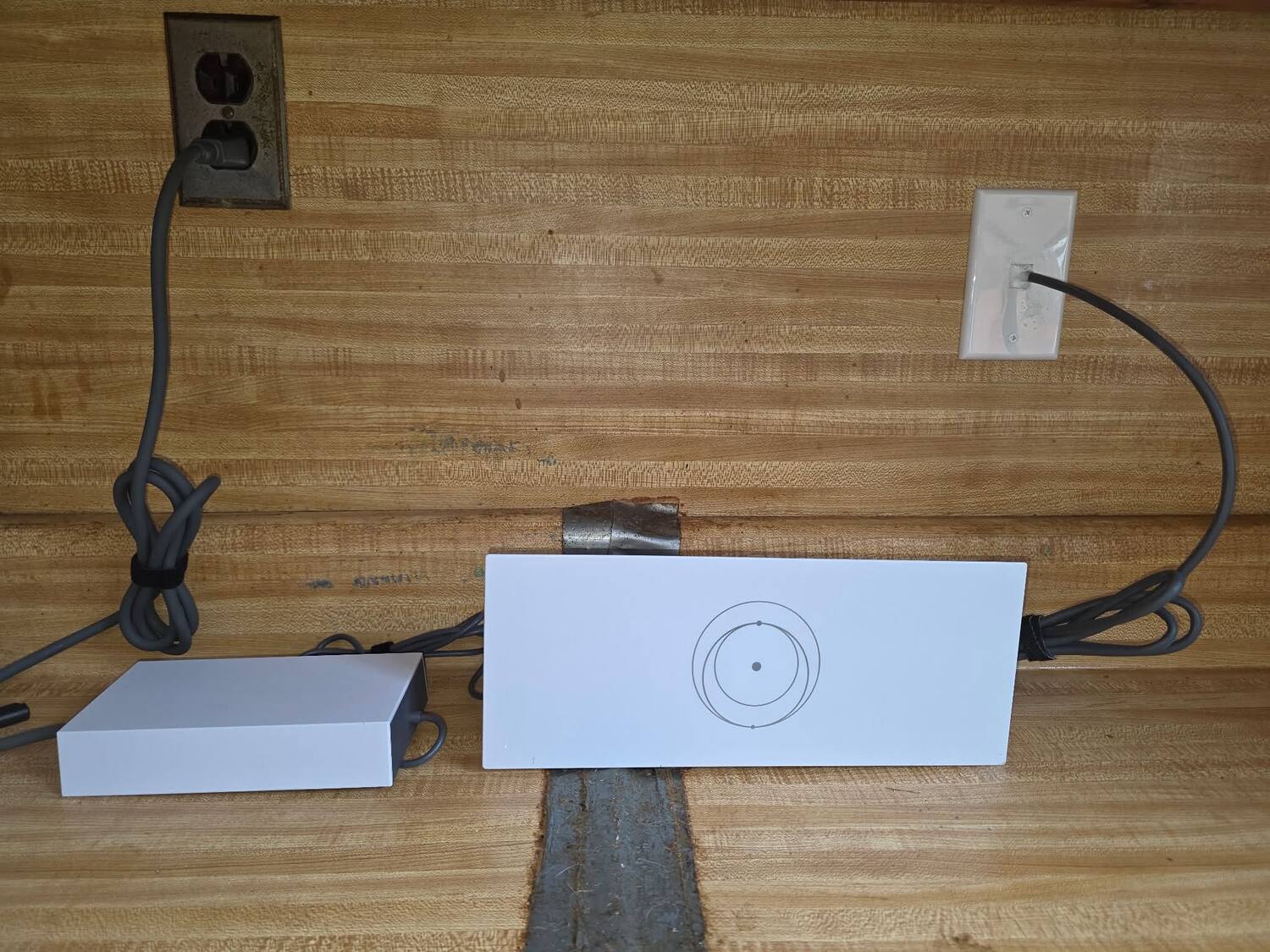
Every PoE camera connects back to a PoE switch or the NVR's built-in PoE ports. When planning, we account for:
- Port count — enough ports for every camera now, plus room to grow.
- PoE budget — the total wattage the switch can deliver, so higher-draw cameras (pan-tilt-zoom, heaters, spotlights) do not starve the others.
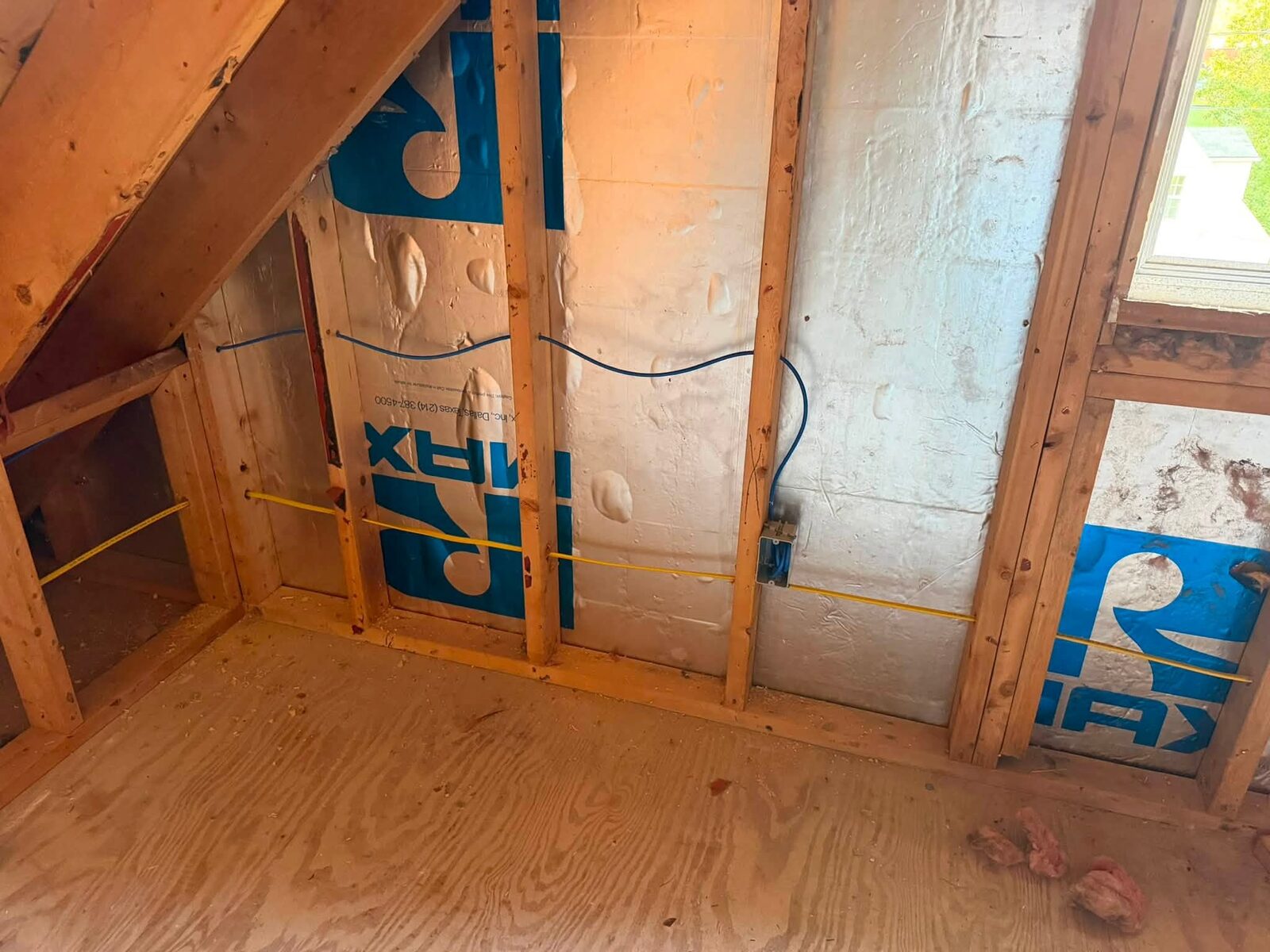
- Cable runs — Ethernet has a ~300-foot limit per run; long driveways and outbuildings may need a mid-span switch or a different topology. This is where good structured cabling planning pays off.
Size Your Storage Realistically
Storage is where surprises happen. Recording time depends on camera count, resolution, frame rate, and whether cameras record continuously or on motion. We size the NVR's drives to the number of days you actually want to keep — a small retail shop that wants 30 days of 4K footage needs very different storage than a two-camera home. Getting this right up front avoids footage overwriting itself before you need it.
Placement Is a Plan, Not a Guess
We design coverage around the property, not a camera count:
- Entries and approaches — every door, gate and driveway.
- Choke points — hallways, stairwells, single paths through a yard.
- High-value areas — registers, safes, equipment, loading docks.
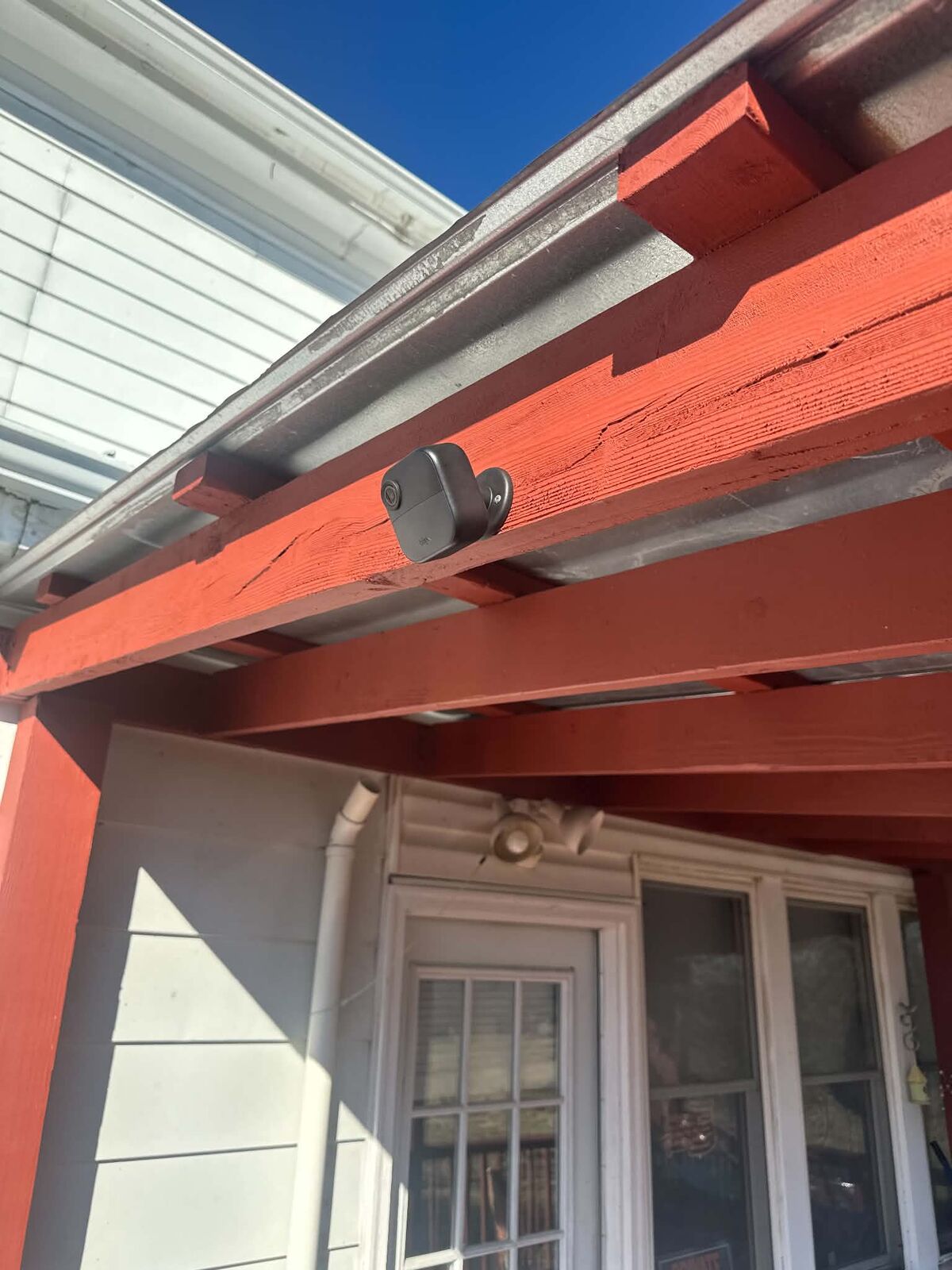
- Mounting height and angle — high enough to be out of reach, low enough to capture faces, angled to beat glare and backlight.
For Businesses: A Few Extras
Commercial systems often add access control integration, so a door opening is tied to video, and structured cabling that keeps the network closet clean and expandable. Planning cameras and cabling together saves money and headaches later.
Get the Plan Right First
Whether it is a two-camera home or a multi-building business, we start with a walkthrough and a plan. We serve the New River Valley, rural Southwest Virginia, and take on project-based commercial work in Northern Virginia.
- Call or text: 540-440-1157
- Free estimates — request a quote
Need help with your tech in Virginia?
Zaxx Tech Solutions handles security systems, custom PCs, websites, Starlink, and IT support — all locally, all licensed (DCJS #11-30241). Get a no-pressure quote today.